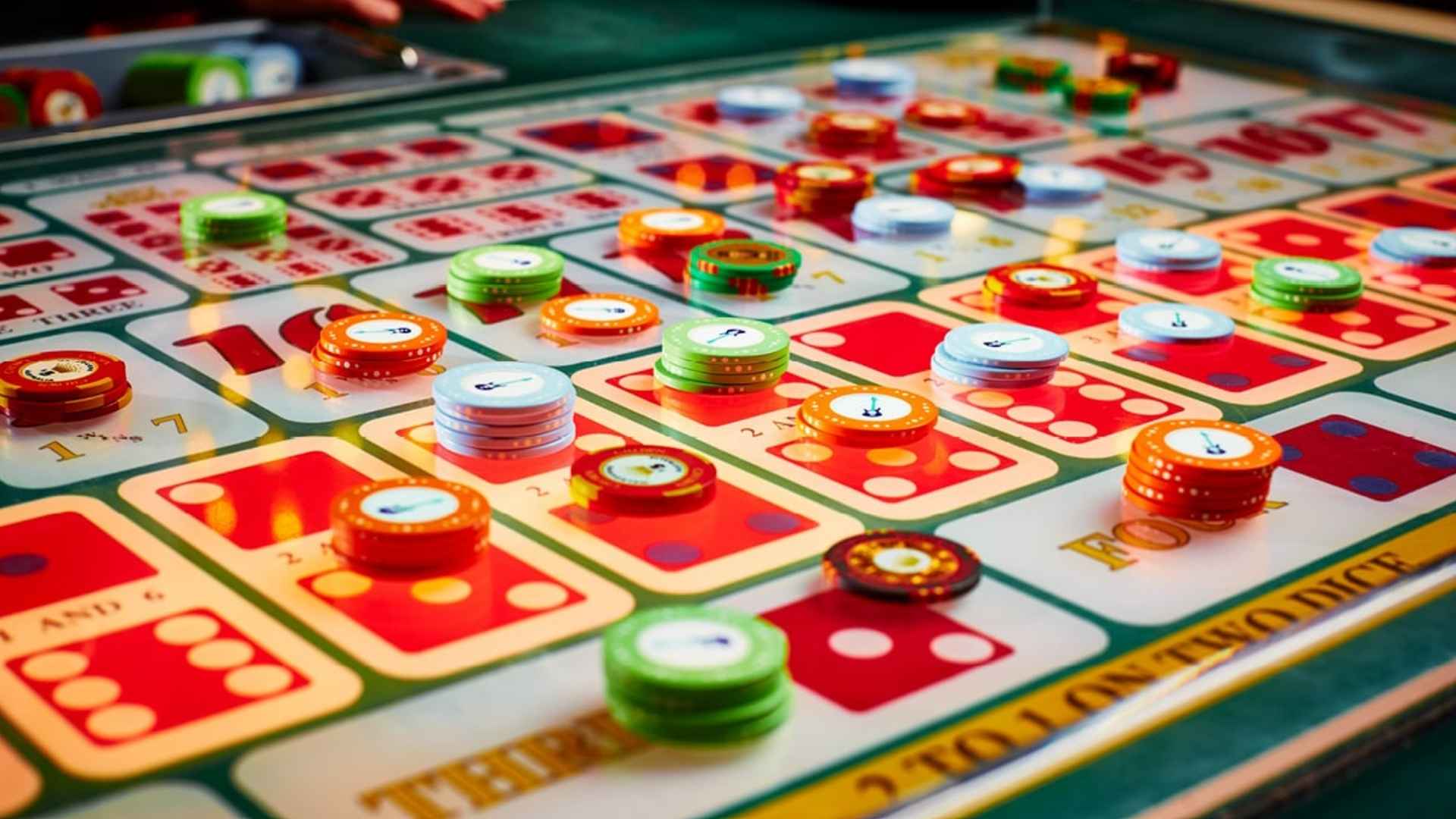
Interactive cognitive entertainment has taken a fascinating turn as developers combine mental challenges with elements of pure unpredictability. Unlike traditional puzzles that rely solely on deterministic logic, modern brain games incorporate randomized mechanics to simulate real-world uncertainty. This unique fusion forces the human mind to adapt dynamically, sharpening problem-solving skills under changing conditions.
The Neuroscience of Navigating Uncertainty
When players engage with outcomes governed by probability, their brains experience heightened activation in regions responsible for risk assessment. Navigating random variables prevents the mind from falling into repetitive patterns, encouraging cognitive flexibility. This constant adaptation trains individuals to evaluate probabilities more objectively in their daily lives.
Furthermore, the unexpected shifts in gameplay mimic the unpredictable nature of modern environmental challenges. By processing these randomized events in a controlled digital space, individuals build stronger cognitive resilience. Over time, this mental exercise helps reduce the anxiety associated with making critical decisions under high uncertainty.
Balancing Strategy and Probability
Successful engagement with these modern platforms requires a delicate balance between tactical planning and accepting random distribution. Players cannot rely entirely on static formulas, as a single randomized event can completely alter the current trajectory. Therefore, the true test of skill lies in developing robust backup plans that mitigate potential variance.
For enthusiasts looking to explore these complex systems, finding a secure portal is essential for an optimal experience. Utilizing a reliable platform like the M88 Login alternatif ensures that you can study randomized algorithmic patterns in a safe environment. Observing these digital simulations helps players naturally transition from emotional reactions to structured quantitative analysis.
Enhancing Replayability Through Randomization
One of the greatest advantages of introducing elements of chance into cognitive exercises is the dramatic increase in long-term engagement. Traditional logic puzzles often lose their appeal once the single correct solution is discovered by the user. In contrast, games with randomized frameworks offer entirely unique scenarios during every single playthrough.
This continuous variance ensures that the mental training benefits remain highly effective over extended periods. The mind is constantly presented with unfamiliar data structures, preventing cognitive stagnation and keeping the experience fresh. As a result, digital platforms leveraging these mechanics continue to see growing interest from audiences worldwide.
Practical Applications for Daily Logic
The analytical habits developed through interactive probability activities extend far beyond the digital screen. Individuals learn to calculate expected value and assess potential consequences before executing important personal choices. This shift toward statistical thinking reduces reliance on pure luck and promotes data-driven habits.
Ultimately, embracing the fluid nature of randomized challenges prepares the human mind for a complex world. By treating uncertainty as a mathematical variable rather than an obstacle, players unlock deeper layers of critical thinking. Regular practice transforms abstract statistical theories into highly practical tools for everyday problem solving.