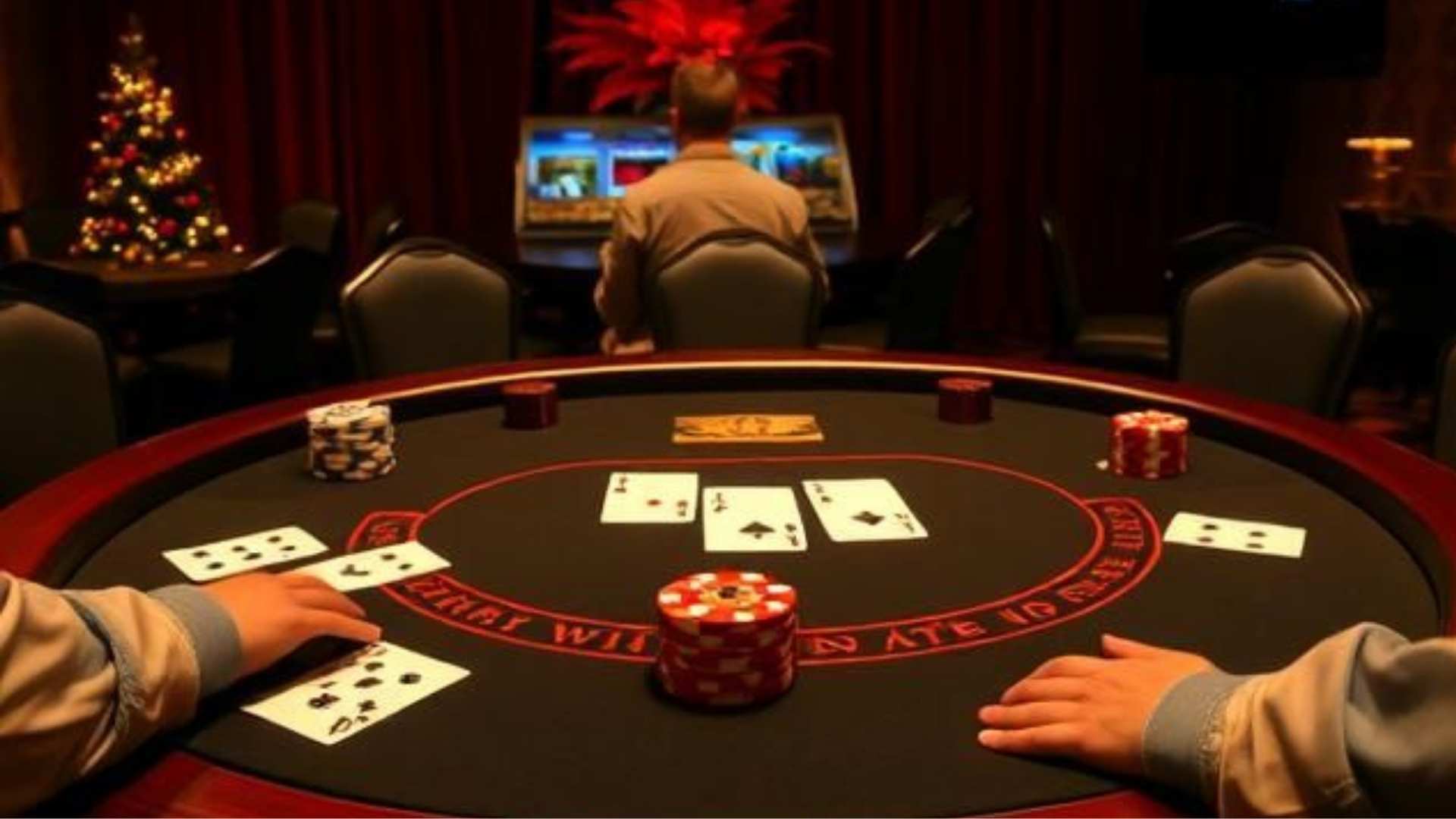
Texas Holdem poker is a game of calculated risks, incomplete information, and long-term strategic execution. While the excitement of hitting a miracle card on the final street keeps many casual players engaged, relying on this approach is a major financial leak. Successful card players know that chasing every river card without proper mathematical backing will quickly deplete their stacks.
The Illusion of the Perfect Draw
Many amateur players fall into the trap of hunting for draws regardless of the price they have to pay. They look at their potential flushes or straights and forget to calculate whether the current pot size justifies a continuing bet. This emotional attachment to what a hand could become often blinds them to the realistic range of their opponents.
Understanding your actual equity against an adversary's likely holdings is essential before putting more chips in the middle. When you chase a long shot without holding the right odds, you are essentially gambling rather than playing strategy. Disciplined professionals know that folding a draw on the turn is frequently the most profitable choice available.
Understanding Pot Odds and Equity
To stop making unprofitable choices on the later streets, players must master the relationship between pot odds and hand equity. Pot odds tell you the ratio of the current pot size compared to the bet you must call to see the next card. If your probability of hitting the winning card is lower than this ratio, making the call will lose money over time.
By utilizing basic mathematical principles like the rule of two and four, you can quickly estimate your chances during a live session. Keeping your decisions aligned with mathematical expectation helps remove guesswork from your strategy completely. For players looking to sharpen their tactical evaluation under pressure, accessing a reliable platform like the M88 Login alternatif can offer an ideal environment to test these essential skills against real opponents.
The Psychological Trap of Sunk Costs
One of the hardest behavioral hurdles to overcome at the poker table is the sunk cost fallacy. Players often feel that because they invested heavily on the flop and turn, they are obligated to see the hand through to the showdown. This psychological commitment leads to defensive calls on the river that simply throw good chips after bad.
Every betting street should be evaluated as a completely new decision based on the fresh data available. The chips you have already put into the pot no longer belong to you; they belong to the pot itself. Recognizing when a board texture has become too dangerous allows you to minimize your losses and protect your remaining bankroll.
Exploiting Aggressive Opponents Safely
When you consistently fold marginal draws when the price is poor, you develop a tighter table image that can be used to your advantage. Competitors who notice your discipline will realize that your calls represent genuine strength rather than desperate hope. This allows you to execute more believable bluffs and extract maximum value when you actually hold the nuts.
Instead of chasing river cards passively, look for opportunities where you can take control of the action through strategic raises. Incorporating fold equity into your overall plan gives you two ways to win the pot instead of just one. Balancing solid mathematical defense with timely aggression is the definitive path to achieving lasting success at the tables.